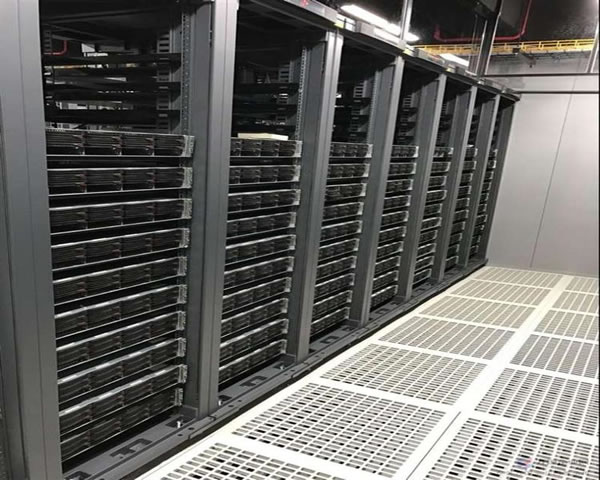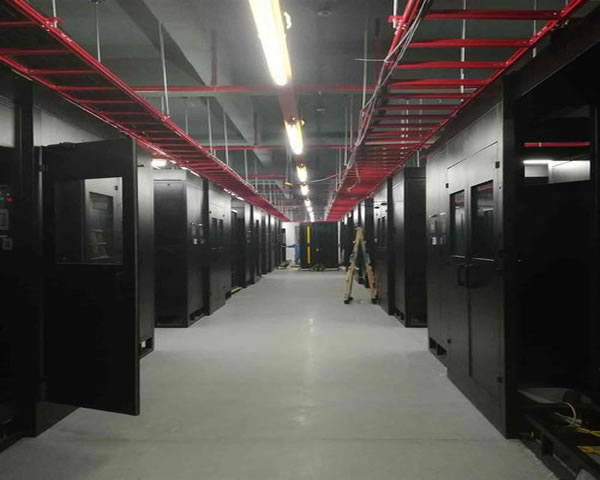
in this case study, we review the practical points and lessons learned in using private vps for "small team projects" in japan. by systematically sorting out the site selection, configuration, security, deployment and operation and maintenance processes, we summarized reusable experience suitable for small and medium-sized teams, helping similar projects reduce trial and error costs and improve online stability.
project background and goals
with fast online launch and low latency as its primary goals, this small team selected japan as a node to serve asia-pacific users. the project emphasizes privatized control and flexible configuration, with the goal of achieving continuous delivery, rapid iteration and stable access experience within a controllable budget.
why choose japan private vps
the japanese computer room has low latency for asia-pacific users, high bandwidth quality, and stable network exports. private vps provides higher configuration controllability and privacy protection, and is suitable for small products or services that have special needs for traffic policies and port management.
node location and bandwidth strategy
having nodes close to the target user base can significantly improve response times. it is recommended that the bandwidth strategy be adjusted in stages: initially use a conservative bandwidth ratio to reduce costs, and when traffic increases, use elastic expansion or load balancing mechanisms to smoothly upgrade.
multiple availability zones and disaster recovery considerations
when deploying in japan, it is recommended to consider a multi-availability zone architecture and use cross-region backup and automatic failover to reduce the risk of single points of failure. the backup strategy needs to include snapshots and off-site backup to ensure data recoverability.
key points of mirroring and basic configuration
select a lightweight and secure operating system version for the base image, remove unnecessary services and enable minimal protection. key configurations include time zone consistency, ntp time adjustment, basic firewall, and ssh non-default port.
security design and compliance checks
in terms of security, the principle of least privilege, key management, log auditing and intrusion detection must be implemented. in terms of compliance, confirm the legal requirements for data storage and transmission in japan and target markets to avoid unauthorized data outflow.
deployment process and automation practices
it is recommended to use a basic automated pipeline to implement environment initialization and application deployment. by leveraging configuration management and containerization to reduce environmental differences, ci/cd pipelines can increase iteration speed and reduce human error.
monitoring, alerting and performance optimization
comprehensive monitoring includes host, network, application and business indicators. set thresholds appropriately and establish multi-channel alarms. when optimizing performance, focus on io, memory, and number of connections. if necessary, use caching or reverse proxy to improve throughput.
common faults and response experiences
small teams often encounter problems such as disk fullness, network jitters, and dependent service abnormalities. establishing fault plans, operation scripts and knowledge bases to clarify who will perform what recovery process when, which can significantly shorten fault recovery time.
cost control and scale expansion suggestions
cost control should be based on usage and business growth estimates to avoid over-purchasing resources at one time. achieve smooth expansion through on-demand capacity expansion, tiered storage and traffic optimization to ensure that input and output match.
key points of communication and team operation
small teams should emphasize cross-functional collaboration and clear boundaries of responsibility. documented deployment processes and rollback methods, as well as regular production event response drills, can improve overall operation and maintenance efficiency and reduce the risk of knowledge islands.
summary and suggestions
case study 2 japanese private vps aigo shows the practical path of a small team deploying private vps in japan. overall recommendations: define clear goals and compliance boundaries first, use the minimum feasible configuration to go online and gradually optimize it; establish an automation and monitoring system, pay attention to security and backup, and continue to use data to drive cost and performance decisions.